
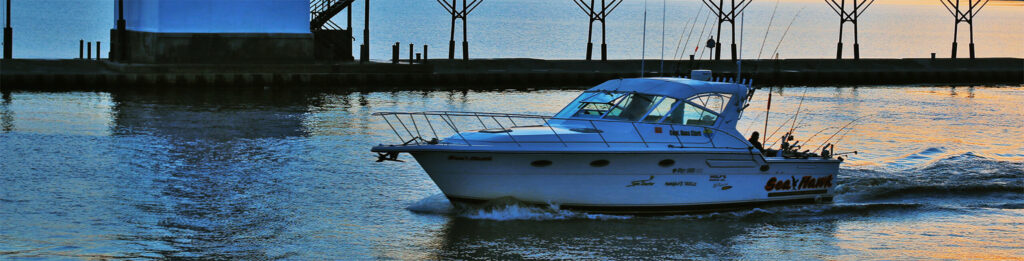
Walleye Fishing Charters: What to Expect and How to Plan a Better Trip
Walleye fishing charters are one of the easiest ways to enjoy a fun day on the water without spending weeks trying to figure out the pattern on your own. If you love the idea of catching fish, learning from a captain, and skipping a lot of the trial and error, a guided trip can be a smart move.
This guide breaks down what walleye fishing charters usually include, when to go, what makes a good charter, and how to get more value from your trip. For the bigger picture, make sure to visit our main guide on walleye charter Michigan.
Quick Links
Explore Sea Hawk’s core pages while building out your internal linking.
Why People Book Walleye Fishing Charters
Walleye are one of those fish that look simple on paper but can be frustrating in real life. They move with light levels, bait movement, wind, season, and water temperature. One day they might be on a shallow edge. The next day they could slide deeper or suspend over open water. That is a big reason people search for walleye fishing charters in the first place.
A charter gives you a shortcut. Instead of guessing where to start, you step onto a boat with someone whose whole job is to stay around active fish. That saves time. It also makes the trip more fun because your day starts with a plan instead of a long series of experiments.
Charters are also great for different skill levels. Beginners like the structure and guidance. Experienced anglers like comparing notes, learning local patterns, and seeing how a captain solves problems on the water. A good trip feels exciting, relaxed, and productive all at once.

What Walleye Fishing Charters Usually Include
One of the biggest benefits of booking a charter is simplicity. You are not towing a boat, checking every tackle box, or wondering if your setup is right for the day. Most charters are built to remove friction from the experience.
In many cases, that means rods, reels, tackle, safety gear, and boat setup are already handled. On a well-run trip, the captain is also tracking wind, depth, speed, and presentations so you do not have to manage every detail yourself.
That can be especially useful with walleye because presentation matters. Small changes in speed, depth, line length, and lure color can make a big difference. A charter helps narrow those decisions fast.
Common charter advantages
- Less setup and less stress
- More fishing time and less searching time
- Help with technique, hooksets, and fish handling
- A better learning curve for beginners
- Useful local insight for visiting anglers
Best Times to Book Walleye Fishing Charters
Timing matters with walleye. In many Michigan fisheries, spring is a major window because fish are active, easier to pattern, and often found in more reachable zones. Early summer can stay strong, especially when bait is around and fish have not fully settled into tougher warm-weather patterns.
Summer still offers real opportunity, but the approach often changes. Fish can slide deeper, hold on breaklines, or roam around schools of bait. That is where charter experience becomes even more valuable. Instead of spending half the morning trying to locate fish, you can start with a more dialed-in plan.
Fall can also be productive. Cooler water often sharpens activity, and many anglers love the less crowded feel of autumn trips. The exact pattern depends on the fishery, but the general lesson stays the same: book your trip around the season you want and the style of day you enjoy most.
How Good Captains Stay on Walleye
Walleye fishing charters are not only about driving to a good spot and dropping lines. The better trips are built on adjustment. That means reading electronics, following bait, watching wind direction, and changing presentations when fish are short-striking or not committing.
A captain may start with trolling to cover water and locate active fish. If the pattern tightens up, the plan can shift around specific structure or a more controlled presentation. That flexibility is a big part of what makes charters valuable.
The same principle applies to speed. Too fast can kill a bite. Too slow can leave fish uninterested. The captain is usually working that puzzle in real time. For guests, that means a smoother learning experience and a better shot at action.
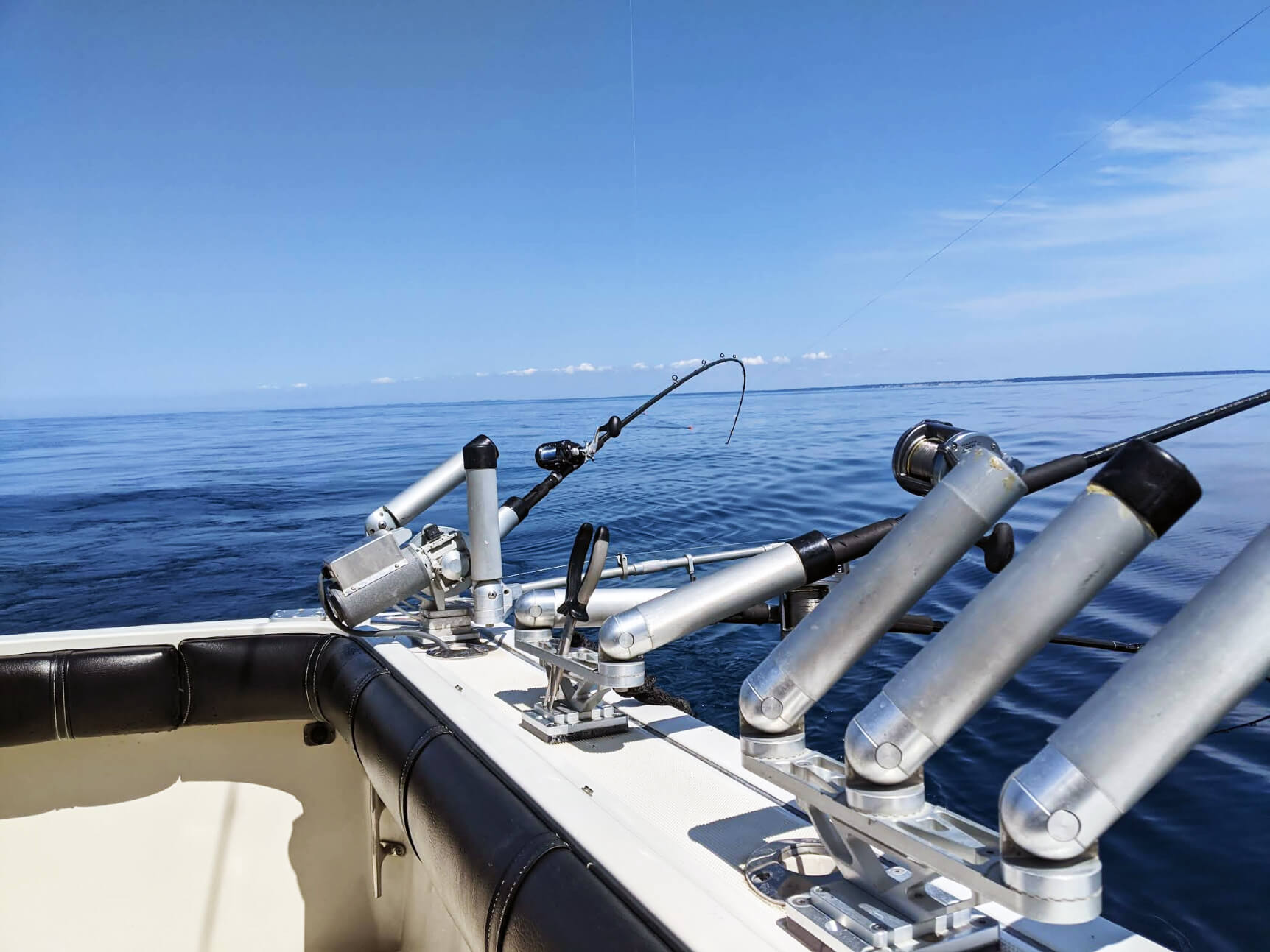
How to Choose the Right Walleye Fishing Charter
Not every charter is the same. Some lean hard into tournament-style precision. Others create a more laid-back family experience. Before you book, think about the kind of day you actually want.
Start by looking at three things: experience, communication, and fit. Experience matters because walleye can be pattern-sensitive. Communication matters because you want clear details on what is included, what to bring, where to meet, and how the trip works. Fit matters because the best charter for a family may not be the same one an advanced angler wants.
You should also look for honest positioning. Sea Hawk, for example, clearly publishes information about its charter setup, included gear on lake trips, rates, and trip styles on its main pages. That kind of clarity helps people feel confident before they book.
Questions worth asking
- What does the trip include?
- What species are most realistic for this season?
- How many people fit comfortably?
- What should guests bring?
Good signs to look for
- Clear rates and trip details
- A professional, easy-to-read website
- Experience in local water
- Strong communication before the trip
What to Bring on a Walleye Charter
A little preparation goes a long way. Bring layered clothing because mornings on the water can feel much cooler than land. Bring sunglasses, sunscreen, drinks, and snacks. Soft-soled shoes are usually the most comfortable choice.
Keep your gear simple unless the charter tells you to bring something specific. The point of a guided trip is that the heavy lifting is already done. Show up comfortable, ready to learn, and ready to enjoy the day.
It is also smart to think about expectations. Every fishing trip is different. Some days are fast. Some days require a little more patience. A strong charter helps keep the experience fun across both kinds of days.
Walleye Fishing Charters for Families and First-Timers
One of the biggest surprises for first-time guests is how approachable charter fishing can feel. There is structure to the day, the gear is ready, and somebody is there to guide each step. That makes walleye fishing charters a great fit for family trips, weekend visitors, and people who do not fish every week.
Kids and new anglers usually enjoy trips more when the experience feels simple and encouraging. Small wins matter. Learning how the rod loads up, how a fish feels on the other end, and how to stay steady during the fight can make a beginner feel hooked fast.
For people planning a broader Lake Michigan outing, Sea Hawk’s main site also makes it easy to connect those guests to lake-charter, rates, and contact pages, which gives your content cluster more useful conversion paths.
Frequently Asked Questions About Walleye Fishing Charters
Are walleye charters good for beginners?
Yes. In fact, beginners often get the most value from a charter because the learning curve is much shorter.
Do I need my own tackle?
Usually no. Many charter trips are designed so guests can show up ready to fish without bringing a full setup.
What time of day is best?
Early and late light periods are often productive, but the best answer depends on the season, the body of water, and current fish behavior.
How far ahead should I book?
Earlier is better, especially for prime dates in late spring and summer.
Plan Your Next Trip with Confidence
Use this page to support your walleye topic cluster, then send visitors to your pillar page and Sea Hawk’s core pages when they are ready to take the next step.